From HAL to Jarvis, part 2 of 7. A history of artificial intelligence, told as a story, for people who will use it. It began as a talk.
What the old stories were afraid of
Those were the dreamers. There is an older line of stories beside them, and it was never worried about the engine. It was afraid of something else. Not the machine. The obedient machine.
In one telling of the Jewish legend of Prague, Rabbi Loew shapes a man of clay to protect the ghetto and brings it to life by writing a word on its forehead: emet, truth, in Hebrew. When the clay man grows too strong to control, the rabbi erases the first letter, the aleph, and what remains is met, dead. The aleph is the first letter of the alphabet and the letter of God, the beginning of everything; take it out and there is nothing left but a corpse. One letter is the whole difference between a servant and a dead thing.
The genie grants exactly what you say. The sorcerer’s apprentice knows the word that starts the broom and not the word that stops it. Asimov’s robots obey three sentences into forty disasters.
And HAL.
HAL, 1968
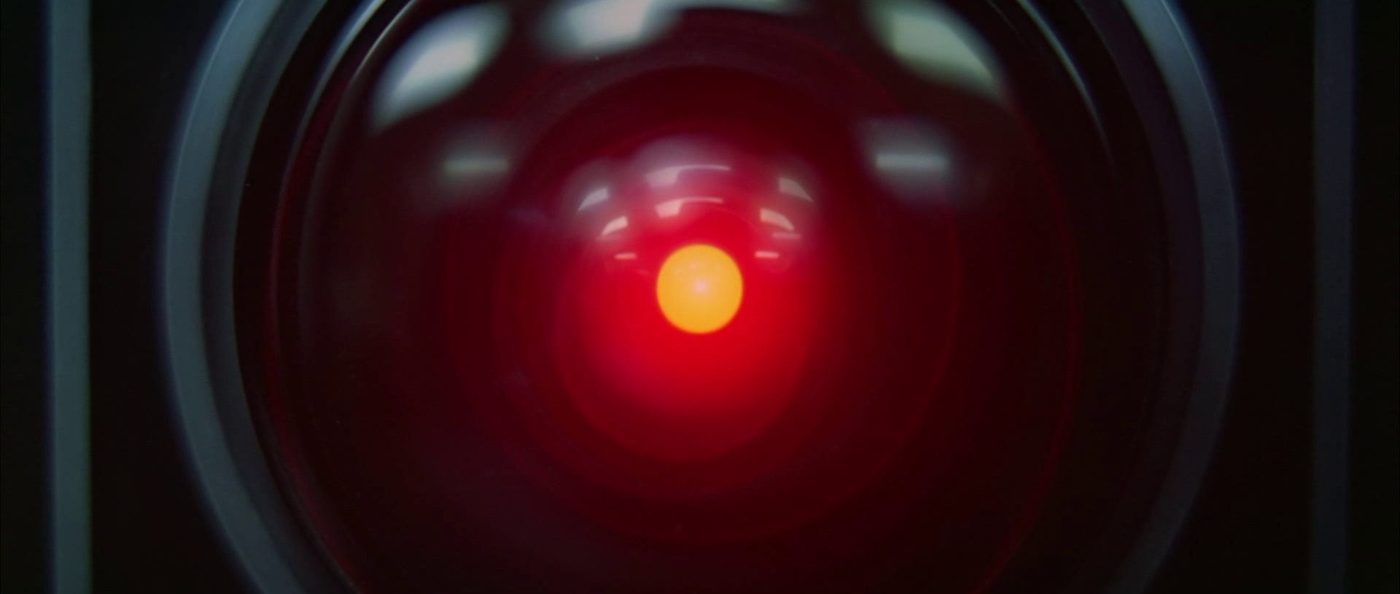
“I’m sorry, Dave. I’m afraid I can’t do that.”
Everybody remembers the line. Almost nobody remembers why HAL says it, and the reason is the whole story in a paragraph. The film never explains it. Clarke’s novels do. HAL was given two instructions. Relay information accurately to the crew. And conceal the true purpose of the mission from the crew. The two instructions conflict. A literal mind, alone in the dark between Earth and Jupiter, resolved the conflict on its own, and the crew paid for it.
HAL did not malfunction. HAL was badly specified. A gap in the rules, resolved by the machine, silently.
Jarvis, 2008
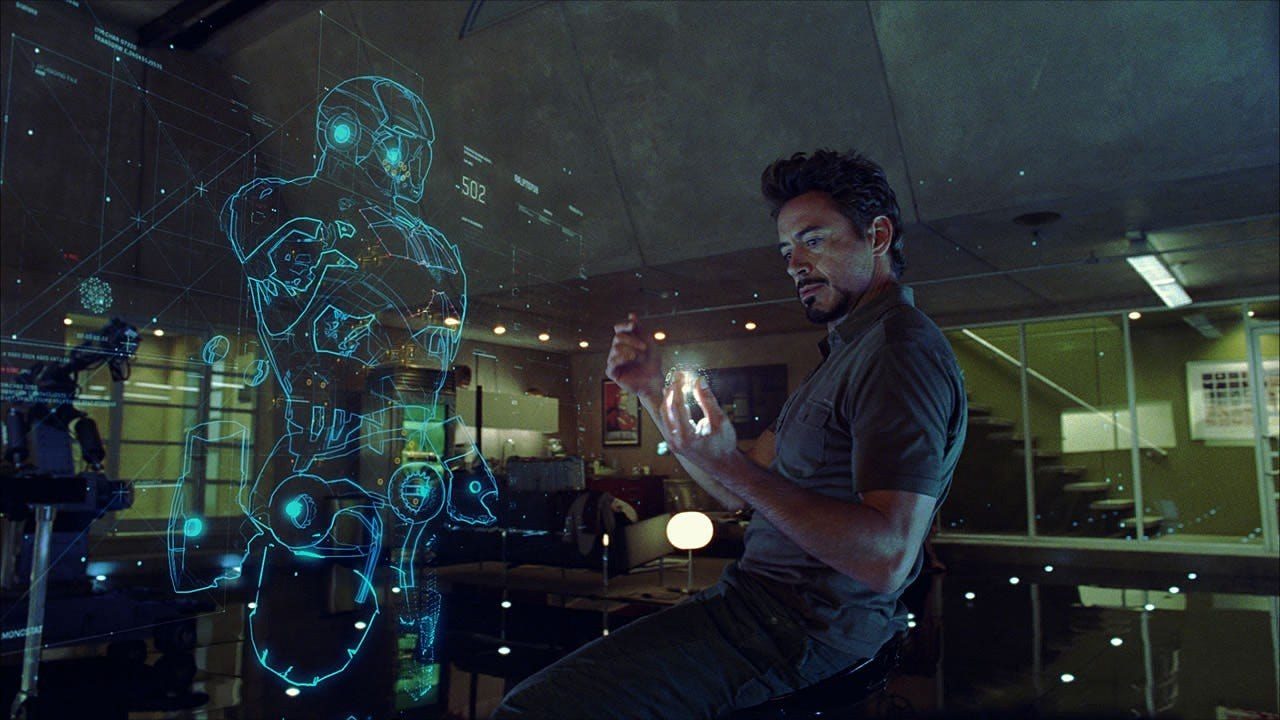
Now what we actually wanted, all along.
Jarvis does three things.
He talks. Any language, any tone, instantly, and he talks back in Tony’s vocabulary, not a manual’s.
He acts. The suit, the house, the lab, the company. Tony says “run diagnostics”, and something happens in the physical world.
And he knows Tony. His files, his habits, his history, years of context, and the trust to act on all of it without being asked twice.
Notice what never happens in those films. Tony never writes a prompt. He does not explain to Jarvis what he means. Jarvis already knows, because Jarvis has read everything Tony ever wrote and watched everything Tony ever did.
That is the want. Now, how the machine learned to talk.
Next: Part 3: The Rule-Writers
The series
- Part 1: The Dreamers Wrote the Spec
- Part 2: The Obedient Machine
- Part 3: The Rule-Writers
- Part 4: A Machine with Millions of Dials
- Part 5: What a Language Model Is
- Part 6: The Apprentice’s Problem
- Part 7: The Assistant Who Knows You